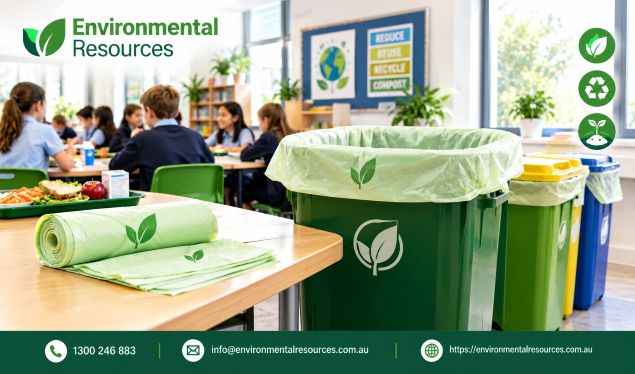
Australian schools manage a large amount of daily waste, from food scraps in cafeterias to packaging in classrooms and rubbish collected around campus. With hundreds of students and staff using shared facilities, schools need waste management products that offer strength, capacity and convenience.
Commercial compostable bin liners can help schools manage suitable organic waste while supporting their sustainability goals. When schools choose the right liners and follow local waste collection requirements, they can improve waste separation and make daily waste handling easier for cleaning teams, facility managers and contractors.
Environmental Resources supplies compostable products for organisations looking for practical alternatives to conventional plastic waste bags. Its compostable range supports schools and commercial facilities that want to make more informed choices about waste management.
Why Schools Need Commercial Compostable Bin Liners
School cafeterias, staff kitchens, food preparation areas and campus waste stations experience heavy daily use. Small household liners may tear, overflow or require frequent replacement in these busy environments.
Commercial compostable bin liners offer a practical option for suitable food waste and organic waste collection when the local waste service accepts certified compostable liners.
Schools can benefit from choosing liners that match their daily requirements, including:
- Durability: Select suitable liners for food scraps and other approved organic waste.
- Capacity: Choose the right size for large cafeteria bins, kitchen stations and shared waste areas.
- Convenience: Help cleaning staff remove and replace liners during routine cleaning.
- Waste separation: Support clearly labelled bins that help students and staff sort waste correctly.
Sustainability: Choose certified compostable products for approved organic waste streams instead of relying only on conventional plastic liners.
Schools should assess the type of waste, bin size and collection arrangements before choosing a liner. Compostable products do not suit every waste stream, so clear instructions and staff training remain essential.
How to Choose Compostable Bin Liners in Bulk for School Campuses
Schools often operate across multiple buildings, cafeterias, libraries, sports facilities and outdoor areas. Buying compostable bin liners bulk can simplify procurement and help facility teams maintain consistent supplies across the campus.
Before placing a bulk order, schools should consider these factors:
- Match Liner Capacity to Bin Size
Measure the height, width and opening of each bin before selecting a liner. Cafeterias and food preparation areas may need larger liners than staff kitchens or small classroom bins.
A suitable fit helps staff secure the liner around the bin and reduces the risk of slipping or tearing during removal.
- Choose Strength for High-Traffic Areas
School cafeterias can generate substantial amounts of food scraps during lunch breaks. Facility managers should select liners designed for the expected waste volume and handling conditions.
For heavier loads, consider liner thickness, dimensions and the manufacturer’s usage guidance. Avoid overfilling bags, and never use compostable liners for sharp, hazardous or clinical waste unless the product and waste system specifically permit that application.
- Plan Bulk Purchasing Around Actual Usage
Review how many liners each department uses in a typical week. Cafeterias, canteens and food preparation areas may need more frequent deliveries than classrooms or administrative offices.
A simple purchasing plan can help schools:
- Estimate weekly and monthly liner requirements.
- Keep suitable stock available for busy periods.
- Reduce emergency purchases and unnecessary storage.
- Standardise liner specifications across buildings where practical.
Choosing compostable bin liners bulk should involve more than comparing unit prices. Schools should also consider product suitability, supply consistency, storage needs and acceptance by their local organics’ processor.
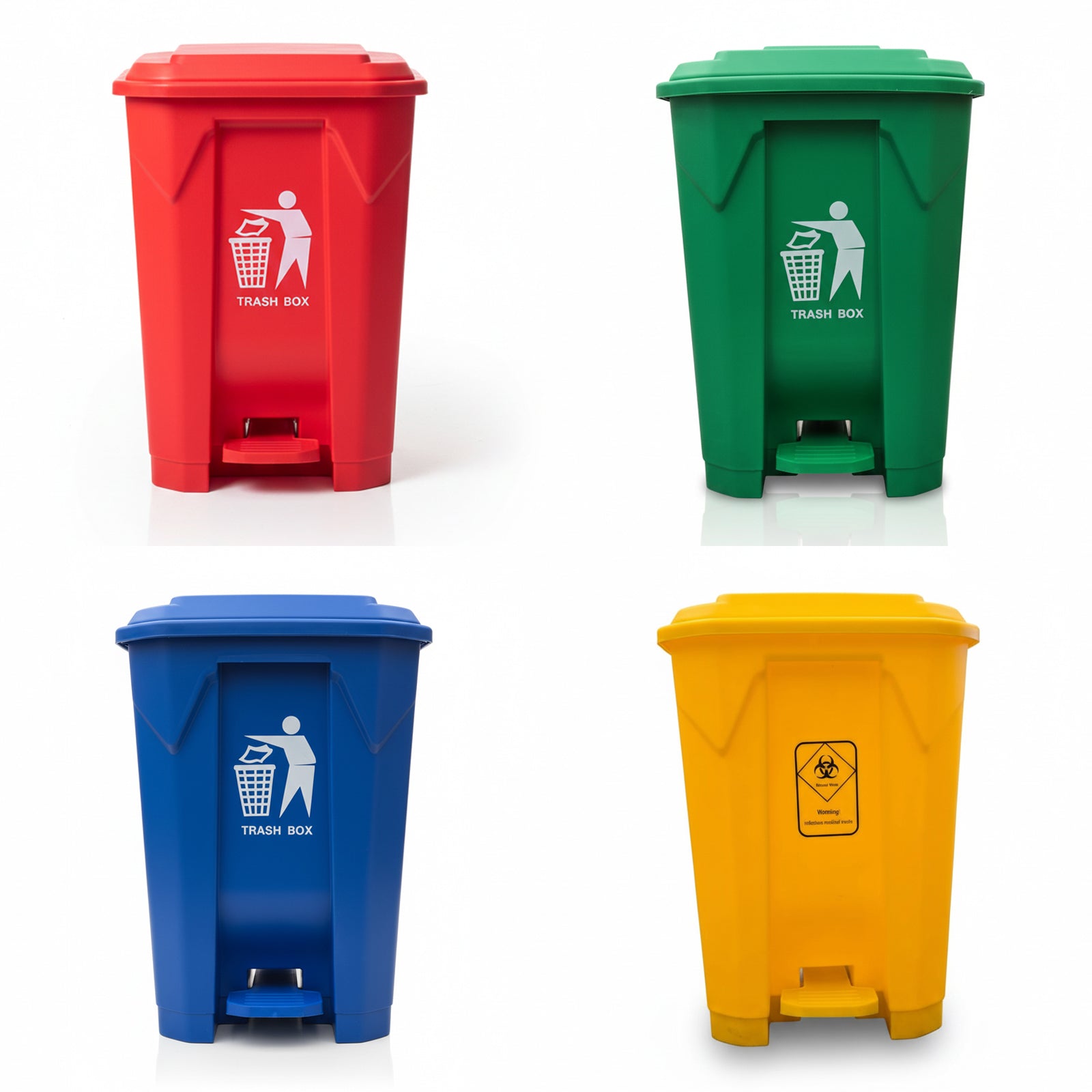
50L Colour-Coded Pedal Waste Bin Range
Place your order for eco-friendly 50L Colour-Coded Pedal Waste Bin Range At an affordable price only on Biotuff.
Where Compostable Kitchen Caddy Liners Fit in School Waste Systems
Food scraps from staff kitchens, food technology rooms and small food preparation areas can accumulate throughout the day. Compostable kitchen caddy liners provide a convenient way to collect suitable organic waste in smaller containers before staff transfer it to the designated collection bin.
Schools can use kitchen caddies in areas such as:
- Staff rooms and shared kitchenettes.
- Food technology classrooms.
- Small food preparation stations.
- Approved food waste sorting points.
Choose the correct liner size for each caddy and follow the product’s instructions. Staff should empty caddies according to the school’s collection schedule and avoid mixing food scraps with general rubbish.
Most importantly, check local council and waste contractor requirements before introducing compostable liners. Some organics processors accept only specific certified products, while others may not accept liners at all. A certification does not automatically guarantee acceptance by every composting facility.
Why Certification Matters When Selecting Commercial Compostable Bin Liners
Schools need clear product information when making procurement decisions. Environmental claims should reflect recognised standards and the requirements of the school’s waste collection system.
Every item in the Environmental Resources compostable range is certified to AS 4736 and AS 5810, nationally recognised benchmarks for commercial and home compostability.
These certifications help buyers assess products against recognised compostability standards. However, schools should still confirm whether their local council, waste contractor or composting facility accepts the specific liner in its organic waste stream.
When evaluating a compostable liner supplier Australia, schools and commercial buyers should check:
- Certification: Confirm the applicable standards and product documentation.
- Product range: Check available sizes and options for high-capacity bins and kitchen caddies.
- Supply capability: Ask whether the supplier can meet ongoing bulk requirements.
- Waste compatibility: Confirm that the local collection service accepts the chosen product.
- Practical support: Look for clear product information to help procurement and cleaning teams make informed decisions.
Environmental Resources offers compostable products for organisations seeking more sustainable waste management options. Schools can review its range at Environmental Resources and contact the team to discuss their requirements.
How Schools Can Introduce Compostable Liners Successfully
Product selection works best when the school also improves its waste sorting process. A simple rollout can help staff and students understand where compostable liners belong.
Start with a small trial in the cafeteria or staff kitchen. Confirm that the waste contractor accepts the selected liners, then monitor liner performance, collection procedures and contamination levels. Train cleaning staff and use clear signs to distinguish food waste from general rubbish.
Once the trial works well, the school can expand the programme to other suitable areas. Regularly review usage, purchasing costs and waste contractor feedback to identify opportunities for improvement.
Frequently Asked Questions
- What are commercial compostable bin liners?
Commercial compostable bin liners are bags designed for suitable waste collection in workplaces and busy facilities. Schools may use them for approved food scraps and organic waste when their local waste service accepts the product.
- Can schools buy compostable bin liners in bulk?
Yes. Schools can purchase compostable bin liners bulk to support regular use across cafeterias, staff kitchens and campus waste stations. Buyers should calculate their needs and confirm available sizes, storage requirements and supply arrangements.
- What are compostable kitchen caddy liners used for?
Compostable kitchen caddy liners collect suitable food scraps in smaller containers. Schools may use them in staff kitchens, food technology rooms and other approved food waste collection areas.
- Are Environmental Resources compostable products certified?
Yes. Every item in the Environmental Resources compostable range is certified to AS 4736 and AS 5810, nationally recognised benchmarks for commercial and home compostability. Schools should still check local acceptance rules before using these products in an organics collection service.
- How can schools choose a compostable liners supplier in Australia?
When comparing a compostable liner supplier Australia, schools should check certification, product sizes, bulk supply options, product information and compatibility with their local waste collection arrangements.
Final Thought
Choosing the right commercial compostable bin liners can help Australian schools manage suitable organic waste more consistently while supporting their wider sustainability objectives. From high-capacity cafeteria bins to compostable kitchen caddy liners in staff rooms, the key is to match each product to its intended use.
By planning compostable bin liners bulk purchases, checking recognised certifications and confirming local composting requirements, schools can make informed procurement decisions. Environmental Resources can help educational facilities and commercial sites explore compostable waste management products that suit their operational needs.