As Australian councils continue expanding Food Organics and Garden Organics (FOGO) programs, choosing the right waste collection products has become more important than ever. One of the most common questions procurement teams and sustainability officers ask is the difference between biodegradable vs. compostable bags Australia. While these terms are often used interchangeably, they do not mean the same thing, and selecting the wrong product can lead to contamination, higher processing costs and reduced efficiency in organic waste recovery.
Understanding the difference is essential for councils responsible for delivering successful waste management programs. At Environmental Resources, we help local governments make informed purchasing decisions by supplying certified compostable products that meet recognised Australian standards and support reliable FOGO collections.
Understanding Biodegradable vs. Compostable Bags Australia
The debate around biodegradable vs. compostable bags Australia starts with how each product breaks down.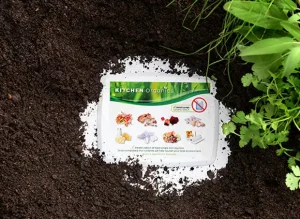
A biodegradable bag is designed to degrade over time through the action of microorganisms. However, there is often no specified timeframe, and some biodegradable plastics can leave behind small plastic fragments or microplastics. This means a product labelled “biodegradable” may still create environmental concerns if it does not completely break down under appropriate conditions.
Compostable bags are different. They are specifically designed to decompose into natural elements during the composting process without leaving harmful residues. Certified compostable products are tested against strict standards to ensure they perform correctly in approved composting systems.
For councils operating FOGO programs, this distinction is critical because composting facilities require products that break down predictably without contaminating finished compost.
Why Councils Should Choose Certified Compostable Bags
Many products marketed as biodegradable can appear environmentally friendly, but not all are suitable for FOGO collections. Councils need products that have been independently tested and certified for compostability rather than relying on marketing claims.
Every compostable product supplied by Environmental Resources is certified to AS 4736 and AS 5810, Australia’s nationally recognised benchmarks for commercial and home compostability. These certifications confirm that products have been independently assessed to meet strict compostability requirements.
Using certified compostable products helps councils reduce contamination, improve compost quality and maintain the integrity of their organic waste programs. It also gives residents confidence that the products provided through council initiatives are appropriate for FOGO collections.
The Risks of Choosing Biodegradable Bags for FOGO Programs
Selecting biodegradable products instead of certified compostable alternatives can create several operational challenges for councils.
Biodegradable bags that fail to break down properly may contaminate organic waste streams and reduce the quality of compost produced by processing facilities. This can increase sorting costs, create delays in compost production and undermine community confidence in council recycling initiatives.
Some biodegradable products also contain conventional plastic materials that fragment into smaller pieces instead of fully decomposing. These fragments can remain in the finished compost, making them unsuitable for many agricultural and landscaping applications.
For these reasons, many composting facilities and council FOGO programs recommend or require certified compostable liners rather than biodegradable alternatives.
Supporting Successful Council FOGO Programs
The success of any FOGO program depends on more than providing residents with an additional bin. Councils also need clear education, consistent messaging and reliable compostable products that make food waste separation simple.
When residents receive certified compostable liners and understand how to use them correctly, contamination rates are generally lower and participation improves. Procurement teams also benefit from sourcing products that meet recognised Australian standards, reducing uncertainty during purchasing and supporting long-term waste diversion goals.
Environmental Resources works closely with councils across Australia to provide dependable compostable products that simplify procurement while supporting cleaner and more efficient FOGO collections.
Why Environmental Resources Is the Trusted Choice for Councils
Environmental Resources understands the unique challenges local governments face when implementing sustainable waste management programs. Our certified compostable products are designed to support council procurement requirements while delivering reliable performance in commercial composting systems.
Every compostable product in our range is certified to AS 4736 and AS 5810, giving councils confidence that they are purchasing products suitable for approved composting environments. Combined with dependable Australia-wide supply and responsive customer support, we help councils build successful FOGO programs that benefit both communities and the environment.
Key Benefits of Choosing Certified Compostable Products
- Independently certified to AS 4736 and AS 5810.
- Suitable for council FOGO and commercial composting programs.
- Help reduce contamination in organic waste collections.
- Support higher-quality compost production.
- Provide councils with confidence during procurement and program delivery.
Frequently Asked Questions
- What is the difference between biodegradable vs. compostable bags Australia?
Biodegradable bags break down over time, but they may leave plastic residues or take an unpredictable amount of time to degrade. Compostable bags are certified to break down into natural materials under approved composting conditions without leaving harmful residues.
- Why do councils prefer certified compostable bags?
Certified compostable bags help reduce contamination in FOGO collections, improve compost quality and meet recognised Australian compostability standards.
- What certifications should councils look for?
Councils should choose products certified to AS 4736 for commercial compostability and AS 5810 for home compostability to ensure they meet recognised Australian requirements.
- Can biodegradable bags be used in FOGO bins?
Many councils and composting facilities do not recommend biodegradable bags unless they are also certified compostable. Products without recognised compostability certification may contaminate organic waste streams.
- Why choose Environmental Resources for compostable products?
Environmental Resources supplies certified compostable products that meet AS 4736 and AS 5810, helping councils implement reliable FOGO programs while supporting sustainable waste management across Australia.
Final Thoughts
Understanding the difference between biodegradable vs. compostable bags Australia is essential for councils committed to delivering effective FOGO programs. While biodegradable products may appear environmentally friendly, only certified compostable products provide the performance and reliability required for modern organic waste collection. By choosing independently certified solutions from Environmental Resources, councils can reduce contamination, improve compost quality and support long-term sustainability goals with confidence. As Australia’s waste management standards continue to evolve, selecting certified compostable products remains the safest and most responsible choice for successful community FOGO programs.